


27 Feb Cost factors For Steel Fabrication
When starting out on a large-scale steel fabrication project, it’s vital to get your preparations right from the offset. That means first carrying out a detailed estimate of the construction cost; perhaps the single most important aspect involved.
This blog sets out the main factors that come into play when costing a steel fabrication project ranging from materials to labour, to help you keep the costs down to a minimum.
1. Materials
You’ll need to identify what raw materials your project will need, such as steel fabrication. This knowledge will underpin the budgeting for custom metal fabrication costs. Each raw material required and their best-suited fabrication process will incur vastly different costs.
You’ll then need to consider any hardware or accessories that need to be incorporated into the design. These include hydraulic components, gaskets, and so on, all of which must be factored into the total cost.
The number of materials and finished pieces will also impact the price. As with most purchases, the average cost per item typically decreases as order quantities increase.
2. Labour
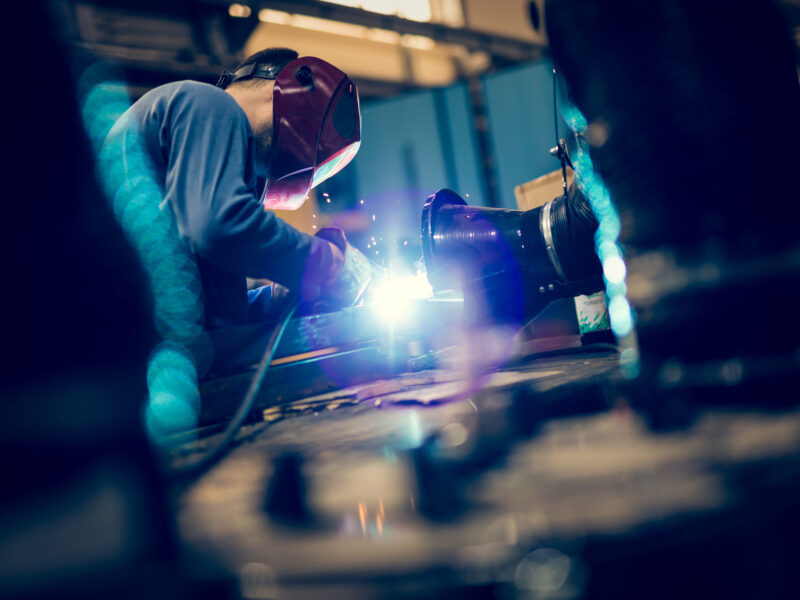
Custom steel fabrication requires highly skilled labour. This is why labour costs take the lion’s share of the layout for any metal fabrication project. It’s likely you’ll need the assistance of designers or structural engineers proficient in CAD/CAM software.
You’ll find that the more agile and streamlined the fabricator’s processes are, the more efficient they’ll be. Happily, this can translate into significant cost savings.
Then there is mechanical labour. Specialised equipment and tooling is a major capital expense, and steel fabricators will build a portion of those costs into each project. Machine time for some materials simply takes longer and needs to be factored into an estimate.
3. Design Complexity
In a nutshell, the greater the complexity of design, the greater the cost will be. Your plans may look great on paper, but whether the project works when it hits the production floor may well be a different story.
That’s why reviewing plans with a design for manufacturability (DfM) approach is critical. It will ensure your plan can be produced to specifications and be structurally sound upon completion. Additionally, you’ll need to ensure that any required speciality machining or prototypes are baked into the costings. Time is money and if tight tolerances are required or the plan features intricate designs, it will take longer to manufacture and end up more expensive.
4. Painting & Finishing
Next, you’ll want to decide if your fabrication project will need painting or a special finish. You will need an understanding of the costs and design considerations associated with the different finishes and specifications available, as well as different types of paint and powder coatings. As with fabrication, coating processes may need certification which can increase costs further.
5. Quantity
The final part of the jigsaw when putting together a steel fabrication costing. Ordering a large amount of the same sheet metal parts reduces the unit price. You can also purchase raw materials and other tools at a discount when ordering in large quantities. The price of the templates and appliances necessary for production also decreases when the quantity is higher, providing further opportunities for savings.
Structural Steel Fabricators in the UK
Steel fabrication companies can manufacture all types of structural steel to suit your needs. Baker Steel Trading are experienced, CE-marked, reliable steel fabricator based in Woking, that provides a wide range of steel fabrication services. These services are more than just fabricating steel beams and columns; we offer anything from a full steel fabrication drawing service to HIAB and crane hire.